Joining methods for belts
In the industrial sector, timing belts are an essential component for the efficient transport of materials. The joining of these belts is key to ensure operational continuity and minimize downtime.
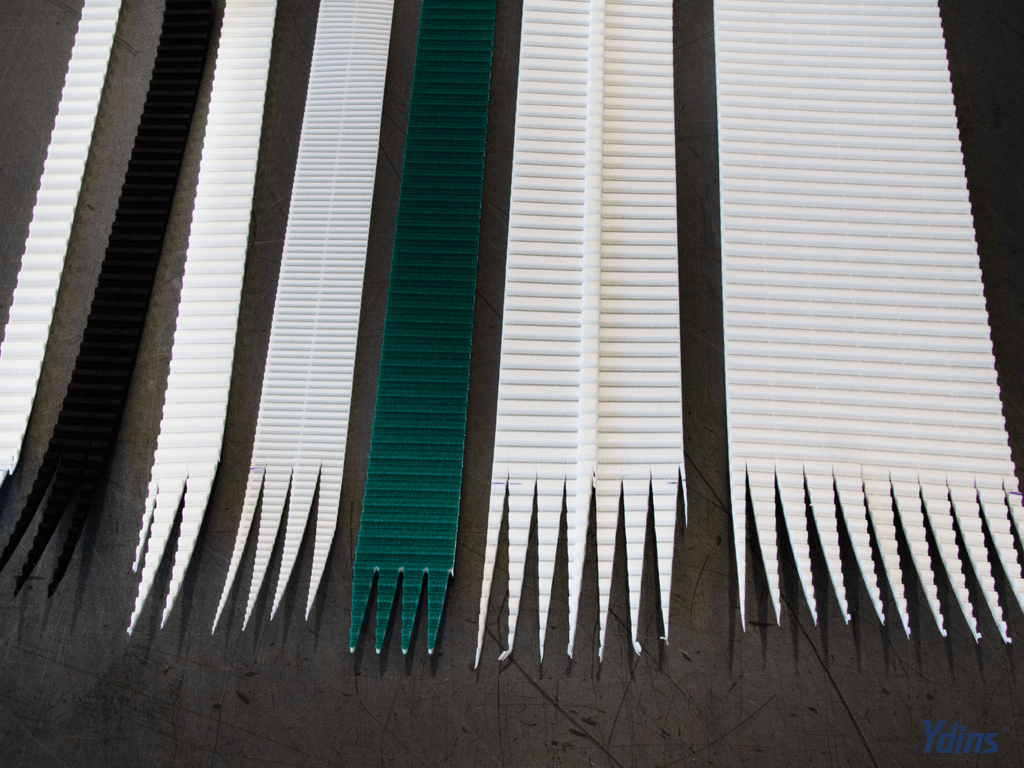
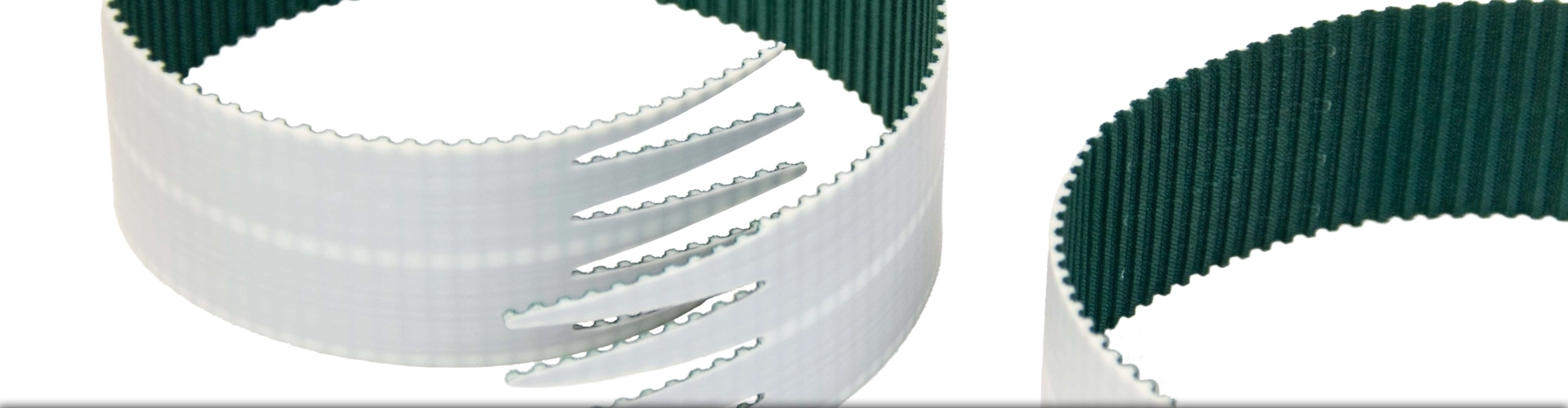
The three most prominent joining methods are: Pin-Joint, Fasteners, and Endless.
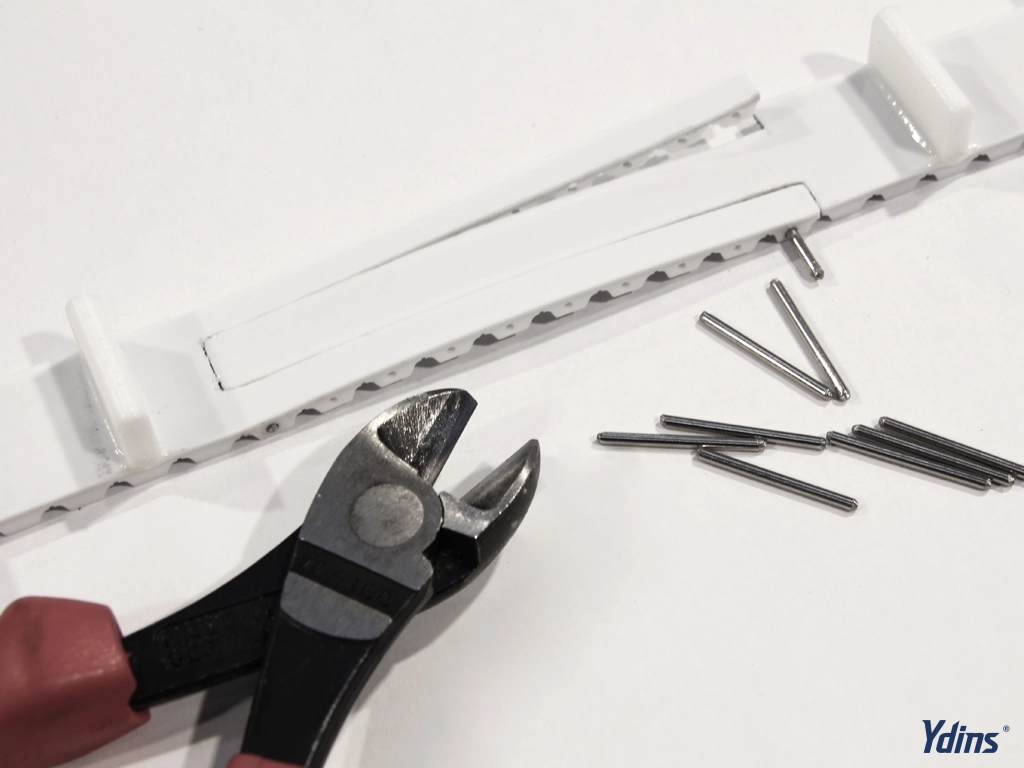
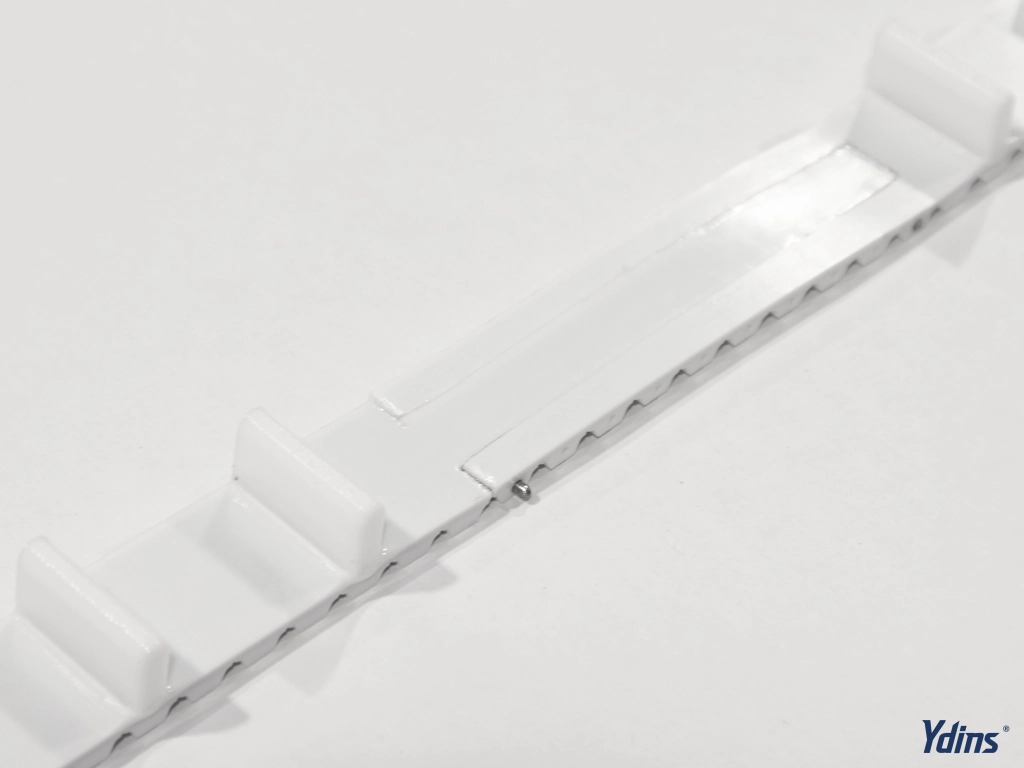
PIN-JOINT
The Pin-Joint is a method that enables quick and easy belt connection by using a pin inserted into the pre-drilled ends of the belt. This type of splice is ideal for applications requiring frequent assembly and disassembly.
BENEFITS OF PIN-JOINT SYSTEM
- Quick installation and dismantling, ideal for fast belt changes.
- Strong and secure connection through prior belt preparation with precise perforations.
- Easy maintenance and simple pin replacement, with no need for complex tools.
- Especially suitable for environments where frequent dismantling is required for cleaning or maintenance.
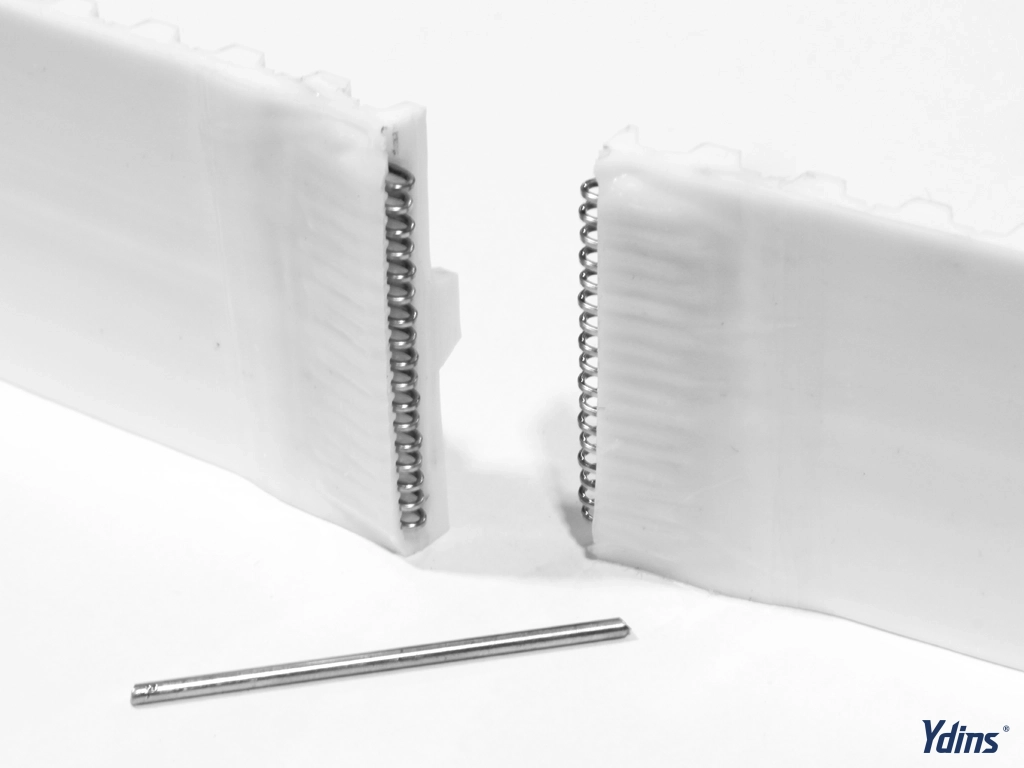
HOOKS
This joining system is a mechanical method that uses metal hooks to join the ends of a belt. It is one of the most common methods due to its simplicity and effectiveness under various conditions.
BENEFITS OF HOOKS SYSTEM
- Quick and easy installation using metal fasteners that provide a strong and secure joint.
- High strength and durability, even under demanding working conditions.
- Suitable for belts made from various materials, with no need for specialized equipment.
- A practical solution for emergency repairs.
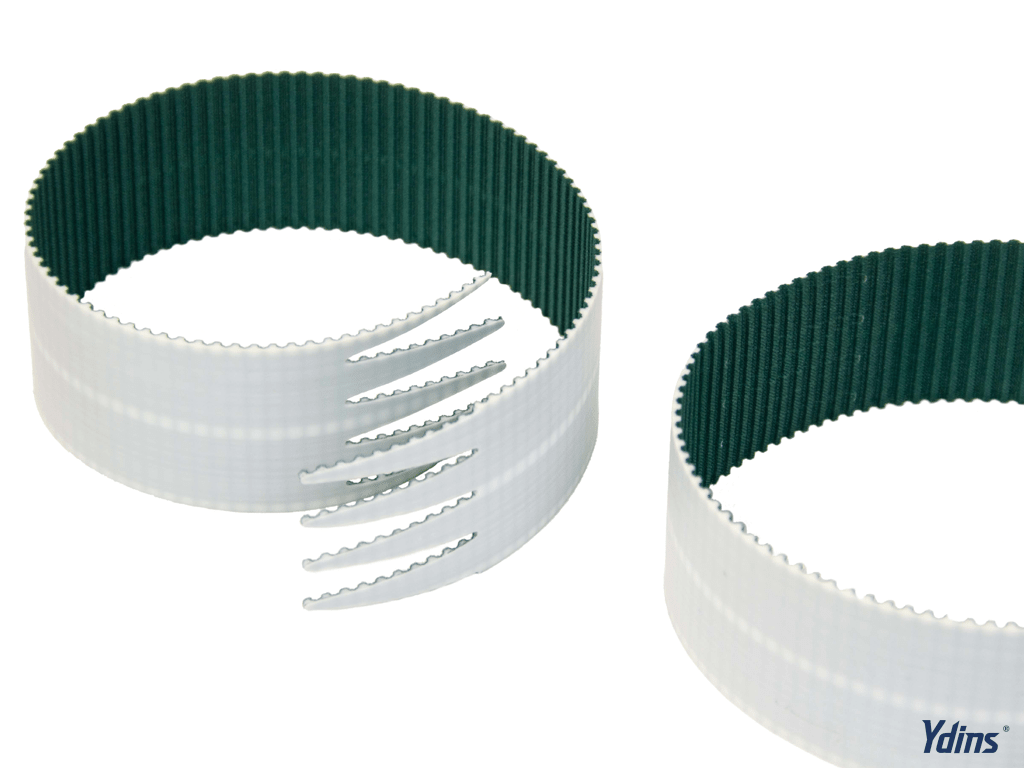
WELDED
The welding system allows for a continuous and permanent connection of belts without the need for mechanical splices. This method is ideal for applications requiring a strong and durable connection.
BENEFITS OF WELDED SYSTEM
- Continuous belt connection, with no interruptions and no need for perforations or additional components.
- Greater strength and durability by eliminating stress points and avoiding mechanical fasteners.
- Especially suitable for applications requiring continuous and reliable power transmission.
Discover our catalog
of belt jointing systems.
DOWNLOAD PDF